A staple in leather goods and bookbinding, sheepskin leather is particularly distinguished by its flexibility, lightness, and silky feel. Whether it's basil, parchment, or woolly hides, take the time to explore our vast selection of finishes and colors to find the sheepskin perfectly suited to the demands of your creations.
The different finishes and tanning methods of sheepskin leather
To help you select the ideal raw material for your project, discover the main finishes and characteristics of sheepskin leather.
Full-grain leather: this is the intact original surface. With significant resistance and optimal breathability, full-grain leather develops a beautiful patina over time.
Corrected-grain leather: corrected-grain leather refers to a slightly sanded surface to erase imperfections. This results in a very uniform appearance for easy-to-maintain leather.
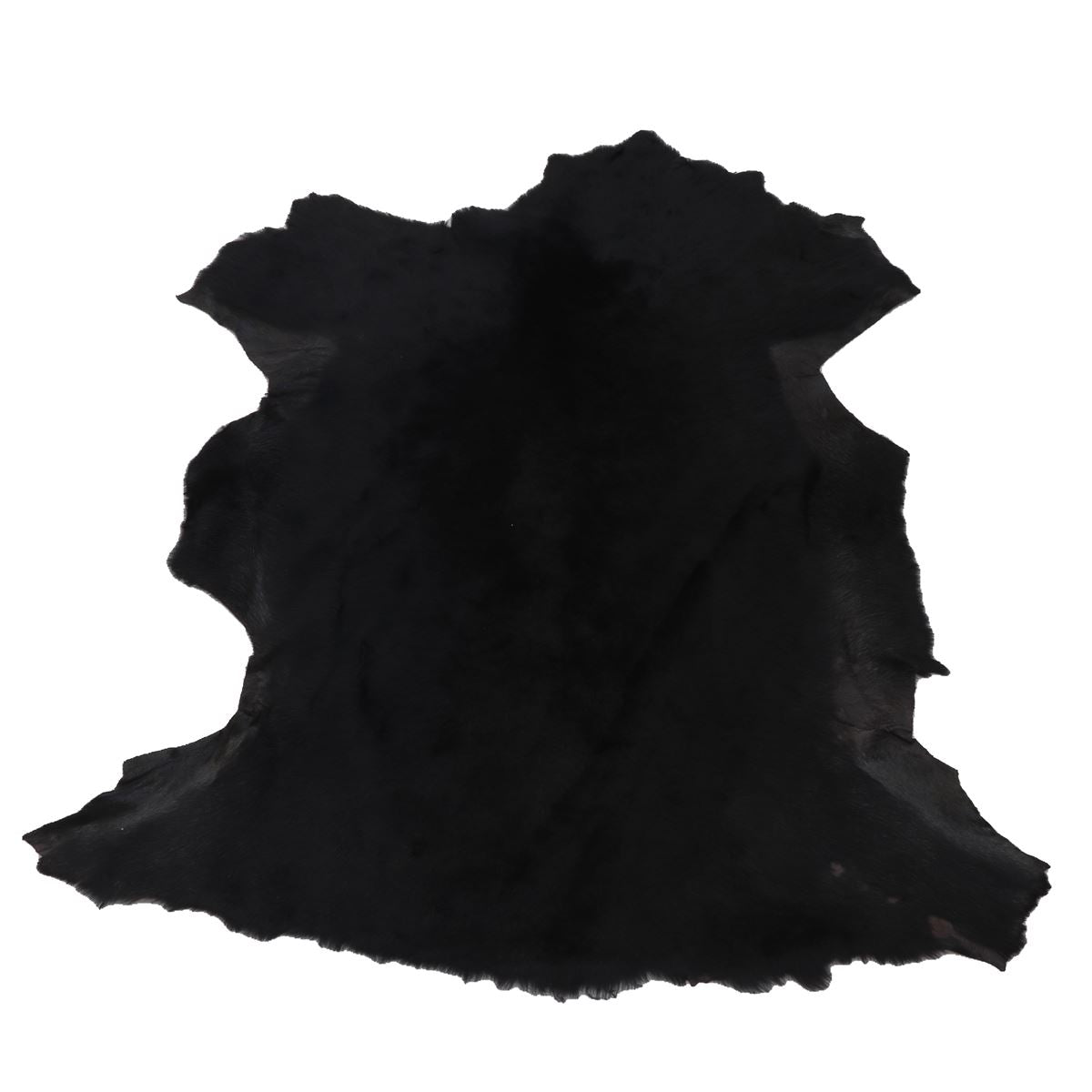
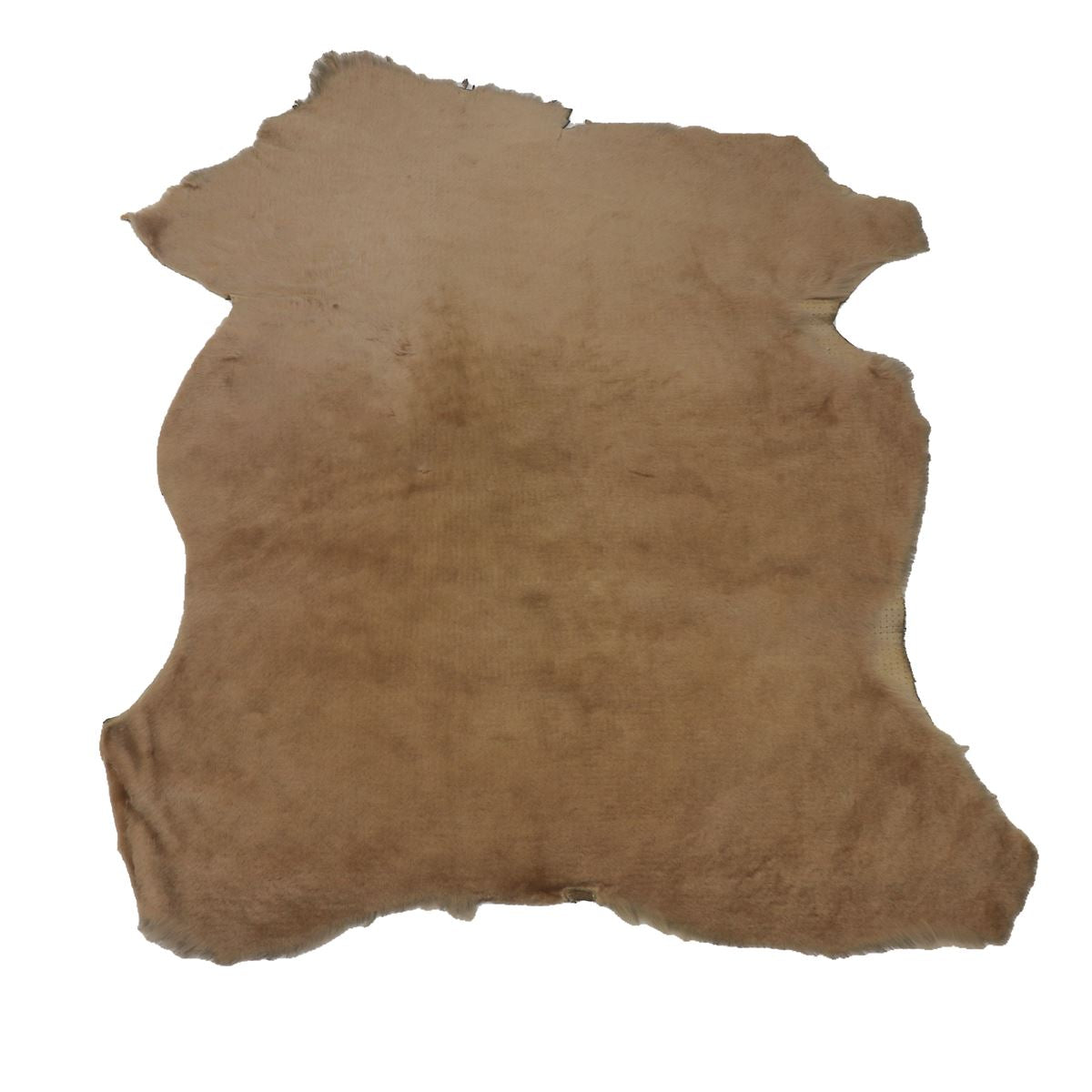
Sheep's wool: woolly skin is kept with its fleece (its hairs forming a real fur) and has very interesting thermal properties while offering comfort and softness. This type of leather allows for original fur creations: warm clothes, slippers, winter bags, cushions, and other decorative elements.
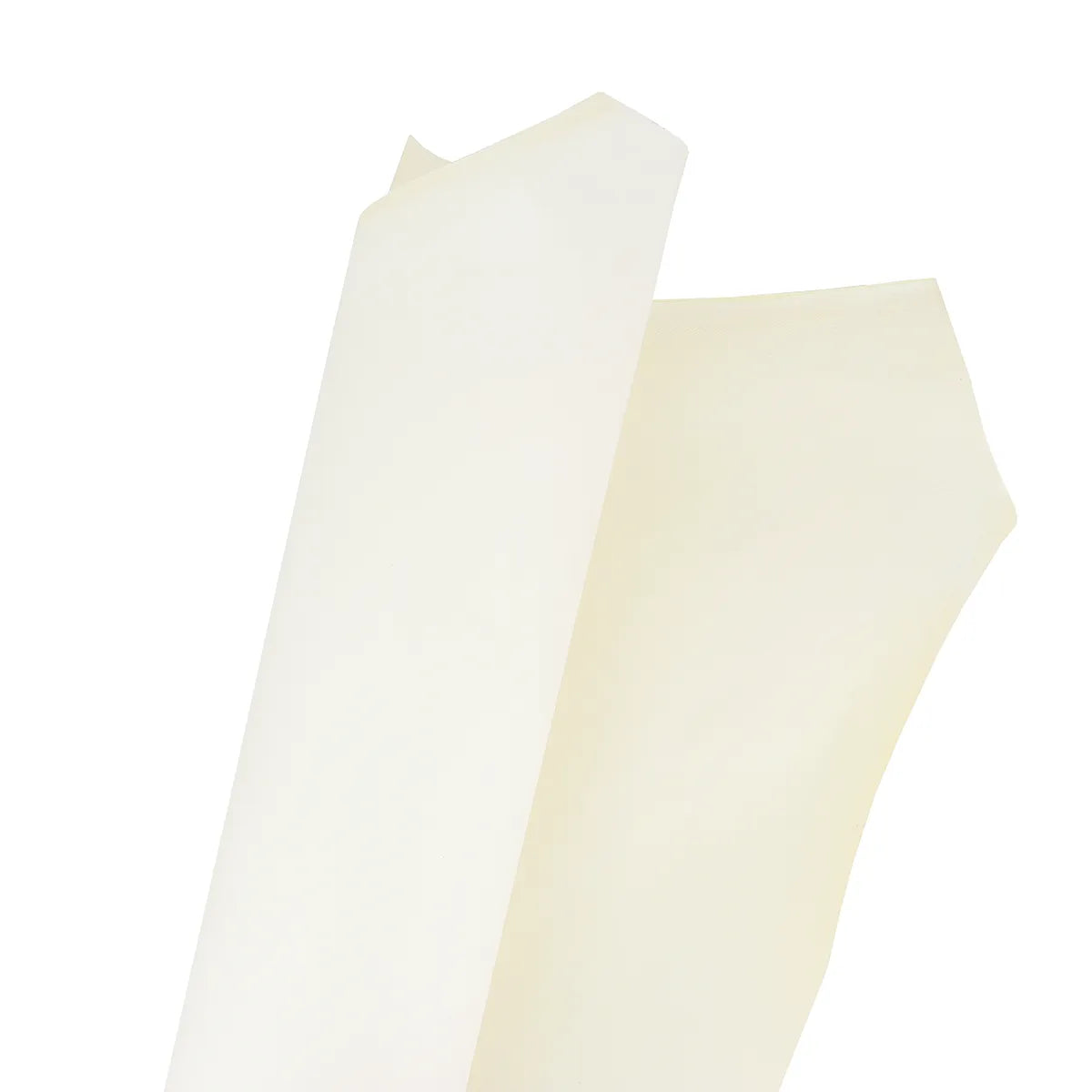
Parchment: parchment is untanned skin, but dried under tension. From translucent to opaque in appearance, this sheepskin (or lambskin) leather displays a rigid texture, highly appreciated in luxury bookbinding or lampshade creation. It is also used for making percussion instruments (drums, djembes...), travel items (trunks, suitcases...), lampshades or nightlights... All our parchments come from a French tannery.
Vegetable tanning: for vegetable tanning, plant extracts are used, particularly to limit environmental impact. Sheepskin from vegetable tanning, also called basil, patinates strongly and allows for tooling, molding, and also manual dyeing to give it the shade of your choice. This vegetable-tanned sheepskin leather is free of heavy metals (no risk of allergies) and also comes from a French tannery. The flexibility of these basil leather pieces will allow you to create all types of leather goods or furniture (e.g. club chairs)!
Mineral tanning: during the mineral tanning process, chromium salts are used to obtain extremely flexible leather with high resistance to water and heat.
The advantages of sheepskin
Sheep or lambskin are essential in leatherwork for their lightness, flexibility, and the fineness of their grain. Easy to work with for cutting, drilling, or sewing, sheepskin also offers an excellent quality/price ratio. If you are looking for a versatile material, it is a very good choice, as this leather adapts to projects as varied as clothing, lining, or small leather goods.
Additionally, this type of leather is thermoregulating and antistatic, making it a very suitable material for designing a supplemental wool blanket, slippers, or any cozy and comfortable interior decoration element. It can, for example, be used for making a sheepskin rug.
In addition to being the ideal choice for keeping warm during winter, this material also contributes to sustainability, as it comes from the valorization of a co-product.
Criteria for choosing a sheepskin
To choose the ideal sheepskin for your creative project, it is necessary to consider the thickness in mm. Opt for a thin thickness of 0.5 to 1 mm for a lining and go for a medium thickness (1 to 1.5 mm) for small leather goods or clothing creation.
The surface area in ㎡ is, of course, essential, as it determines the range of projects you can undertake. Although sheepskins are generally small, choose a surface that matches your creative project.
How to clean and care for sheepskin?
Sheepskin does not require particularly complex maintenance. However, it is recommended to regularly shake the skin to dust it. Then use a soft brush to untangle the fibers and maintain its elegant appearance.
For smooth leather, we recommend moisturizing it using a cream or nourishing balm. This prevents the skin from drying out and becoming stiff.
In general, avoid exposing sheepskin to direct sunlight or humidity to ensure its longevity.
To clean a stain, it is best to wash it with a damp cloth and mild soap. Any aggressive stain remover should be avoided. Once clean, take the time to stretch and rub the skin while it is still damp. Then let the skin air dry.
Although sheepskin leather is theoretically machine washable, we do not recommend using a washing machine, as this could remove the lanolin or wool grease. This naturally helps keep the material clean. A tumble dryer should also be avoided to prevent the leather from drying out. It can become stiff and eventually crack.