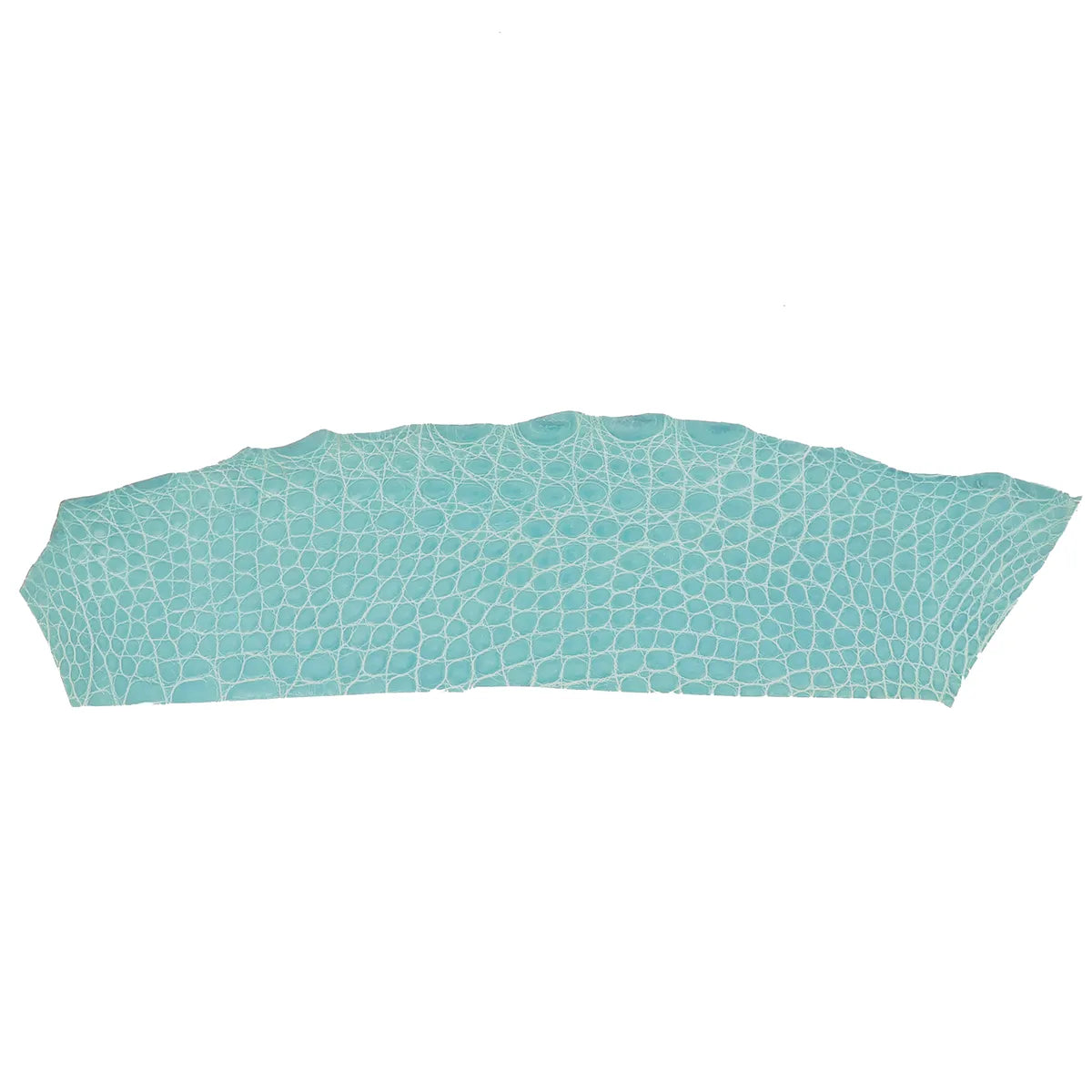
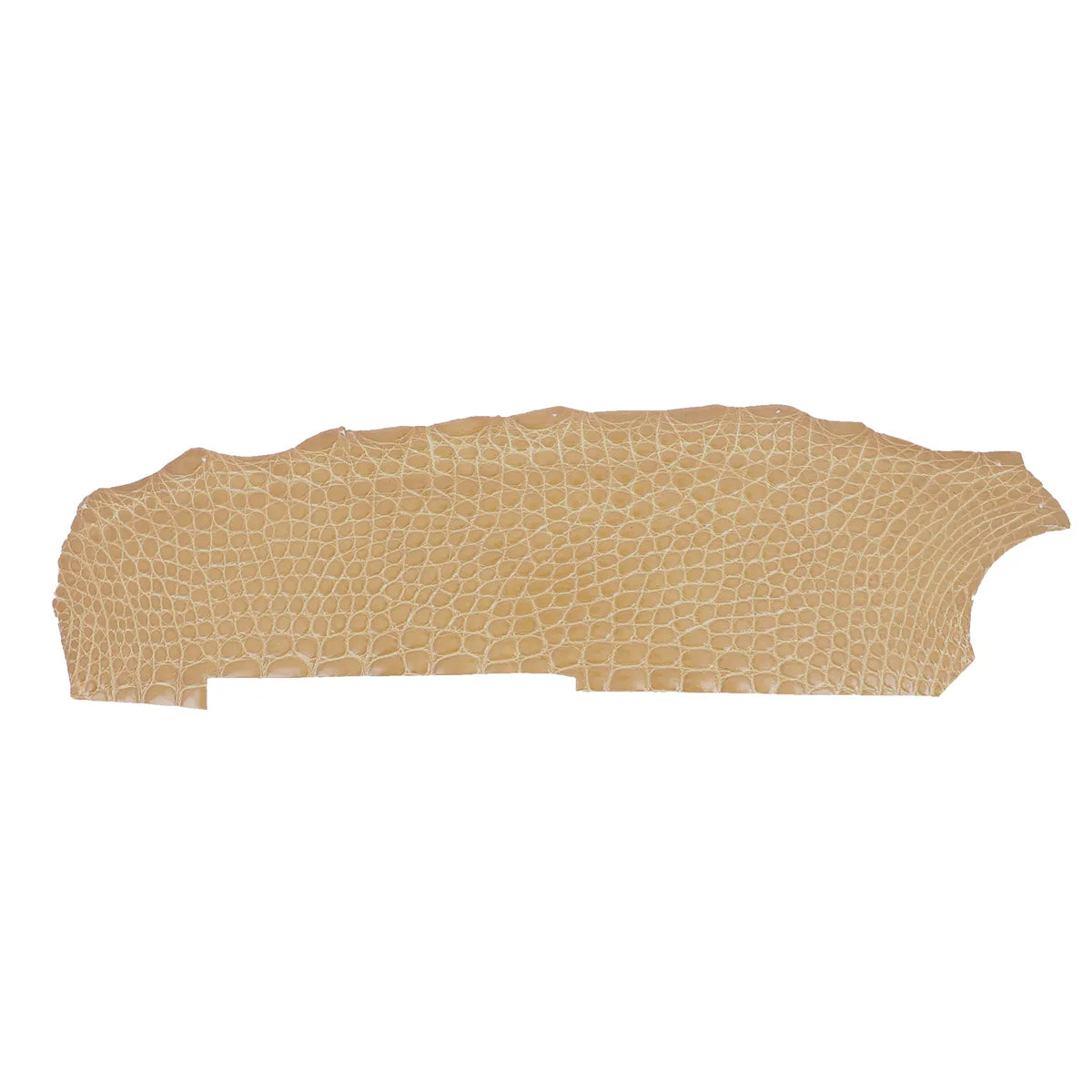
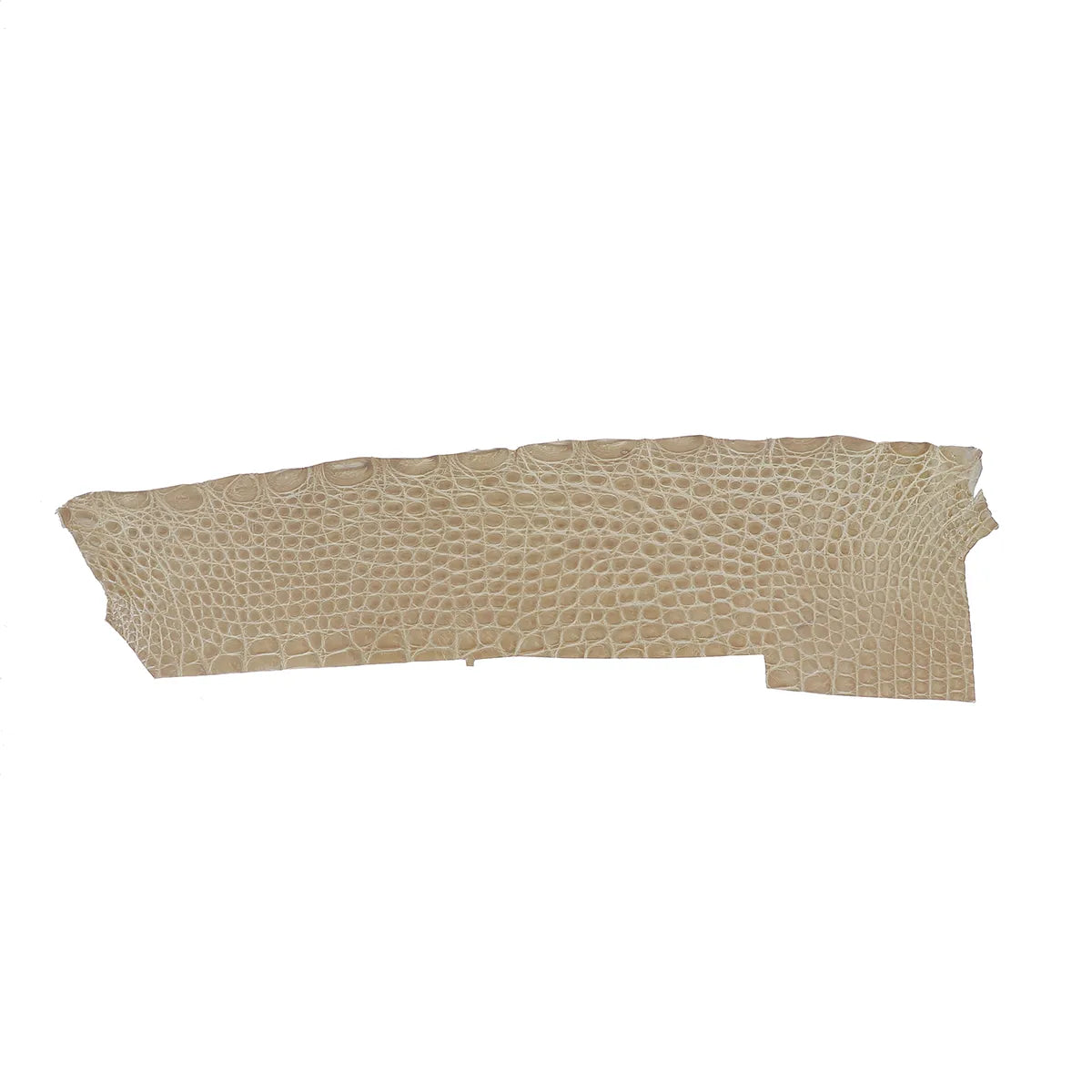
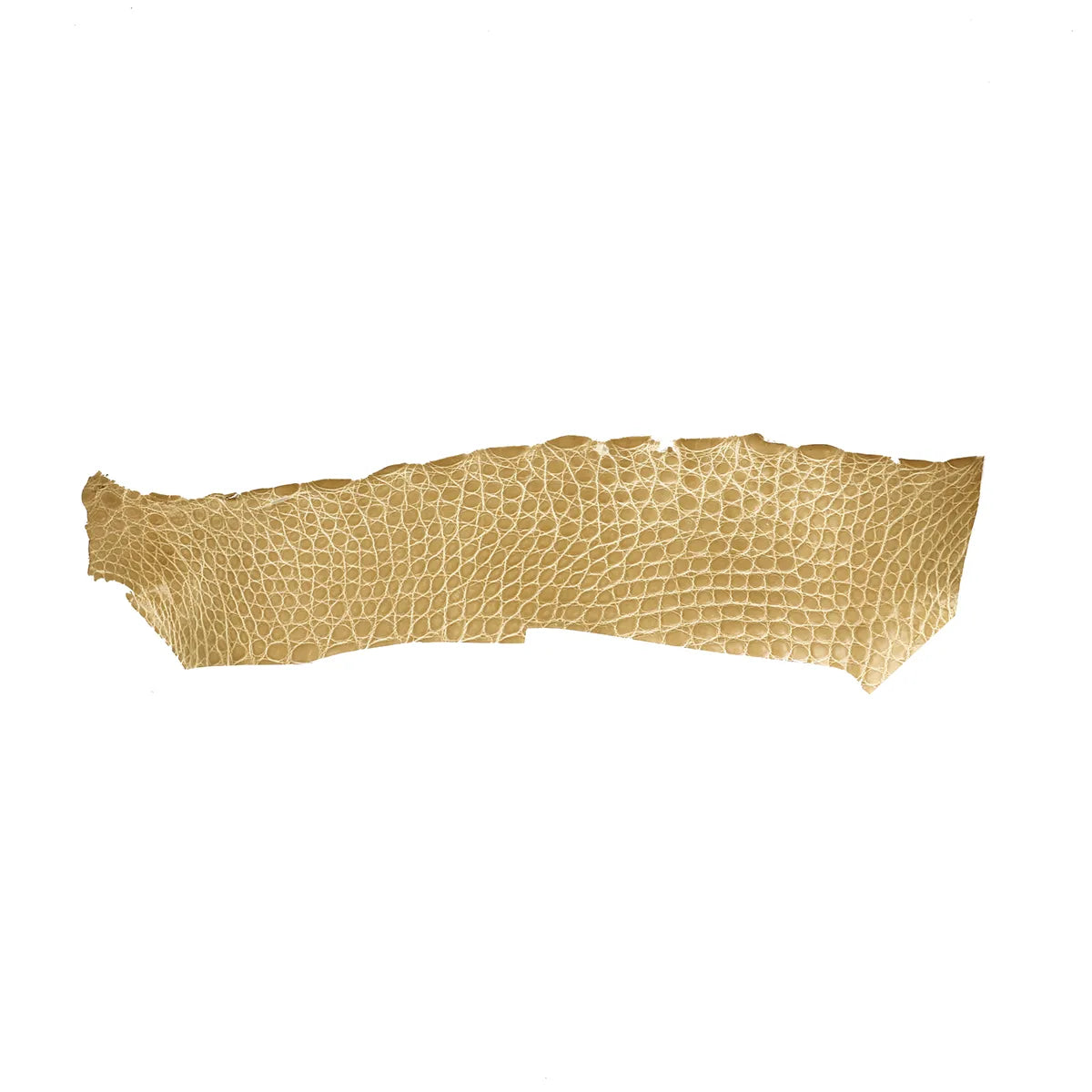
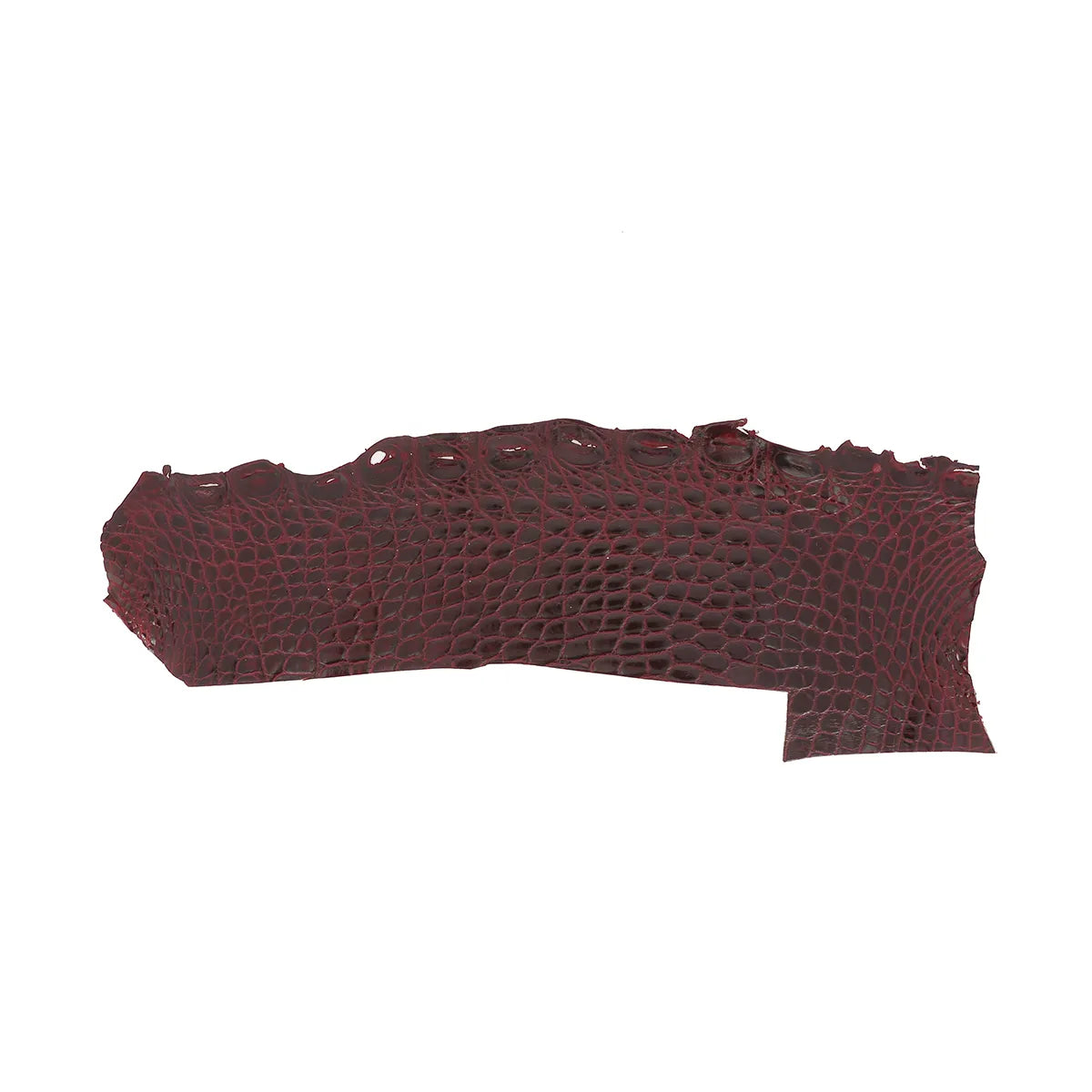
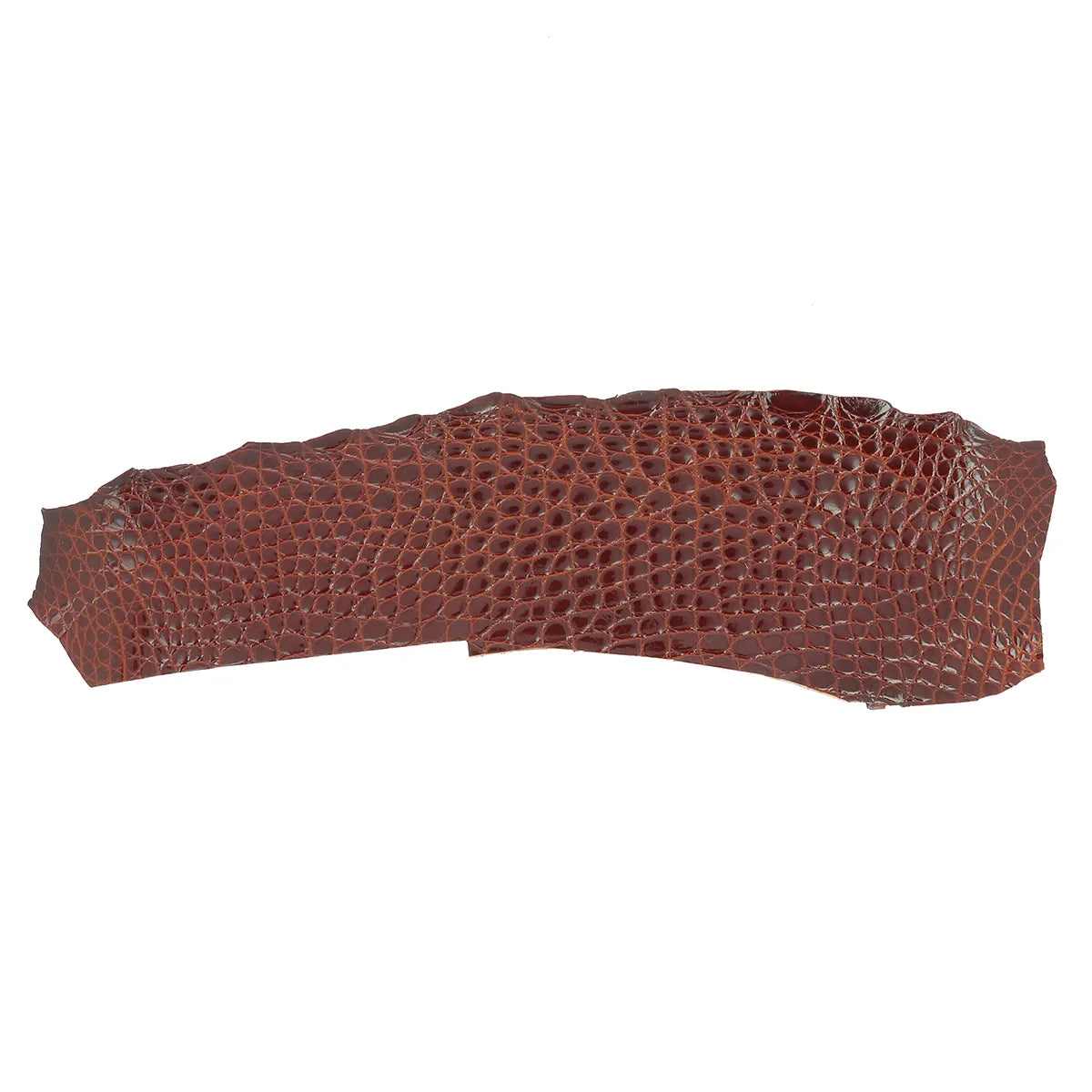
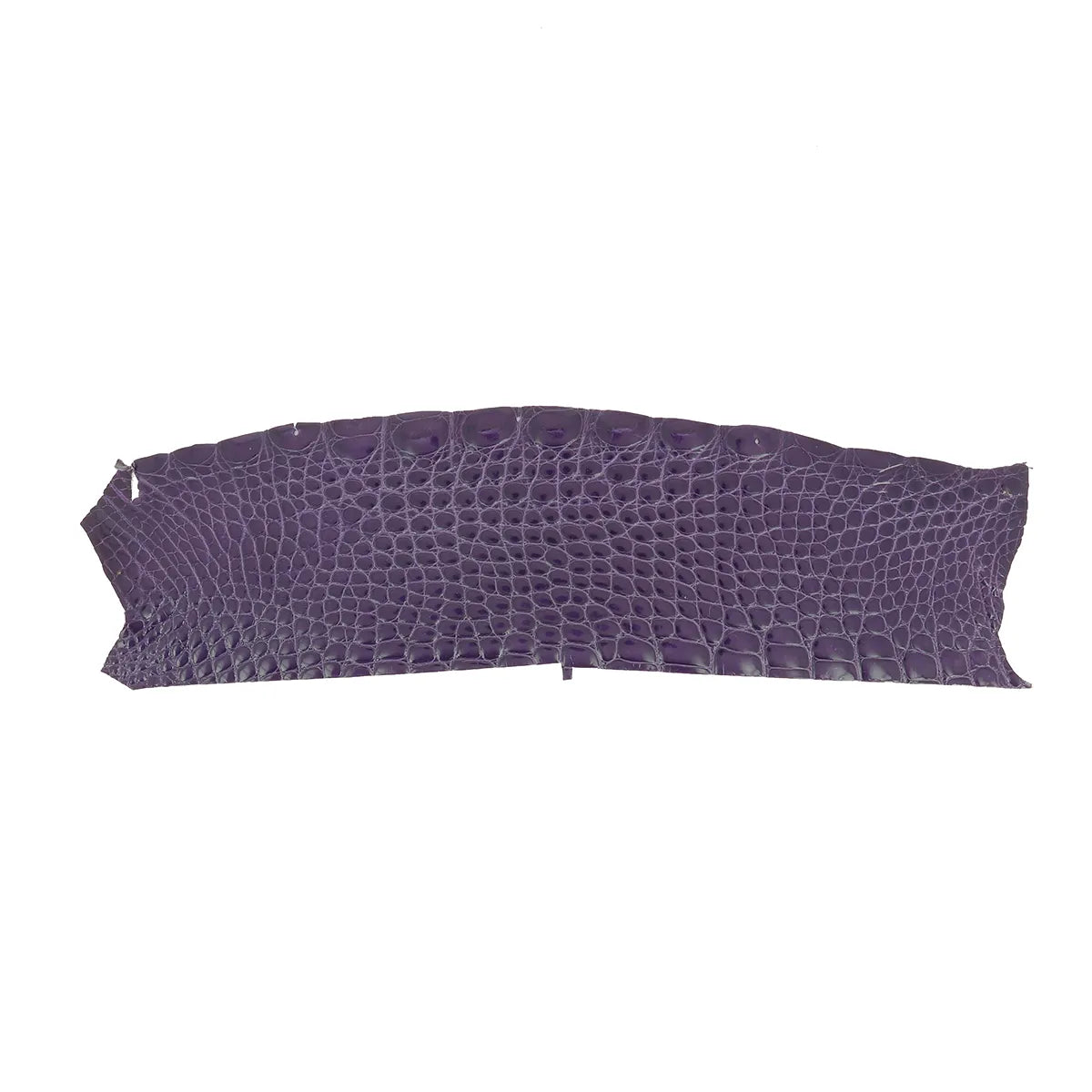
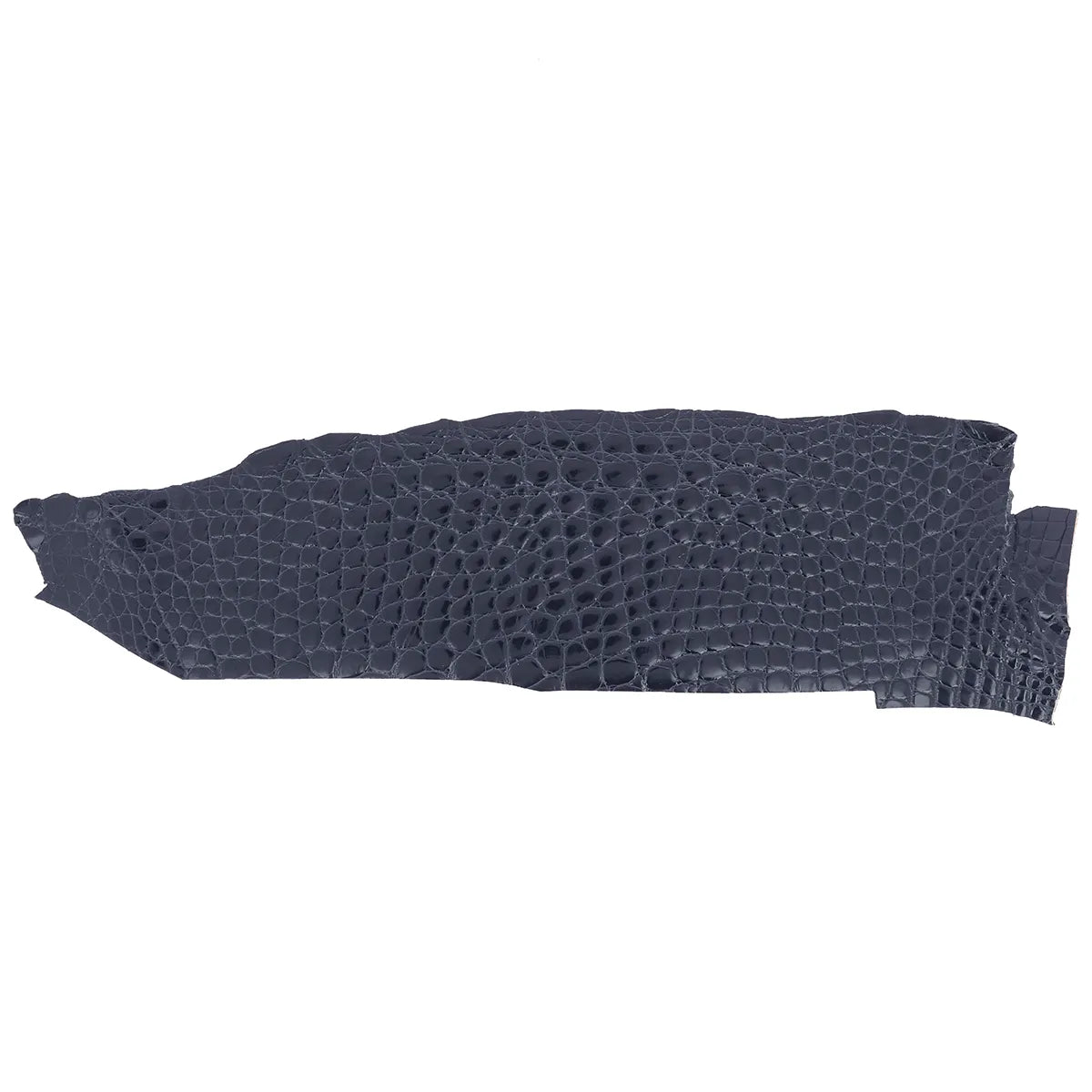
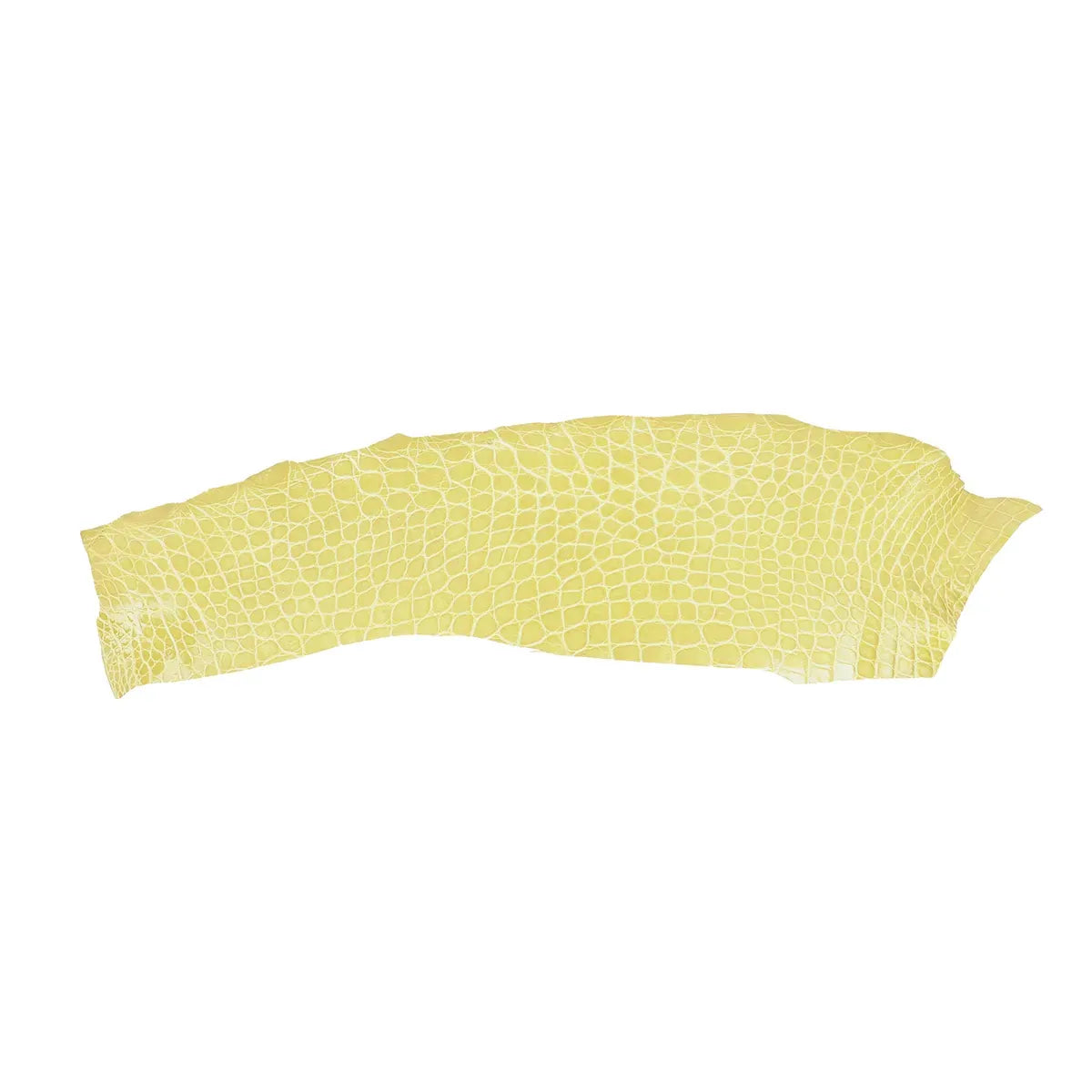
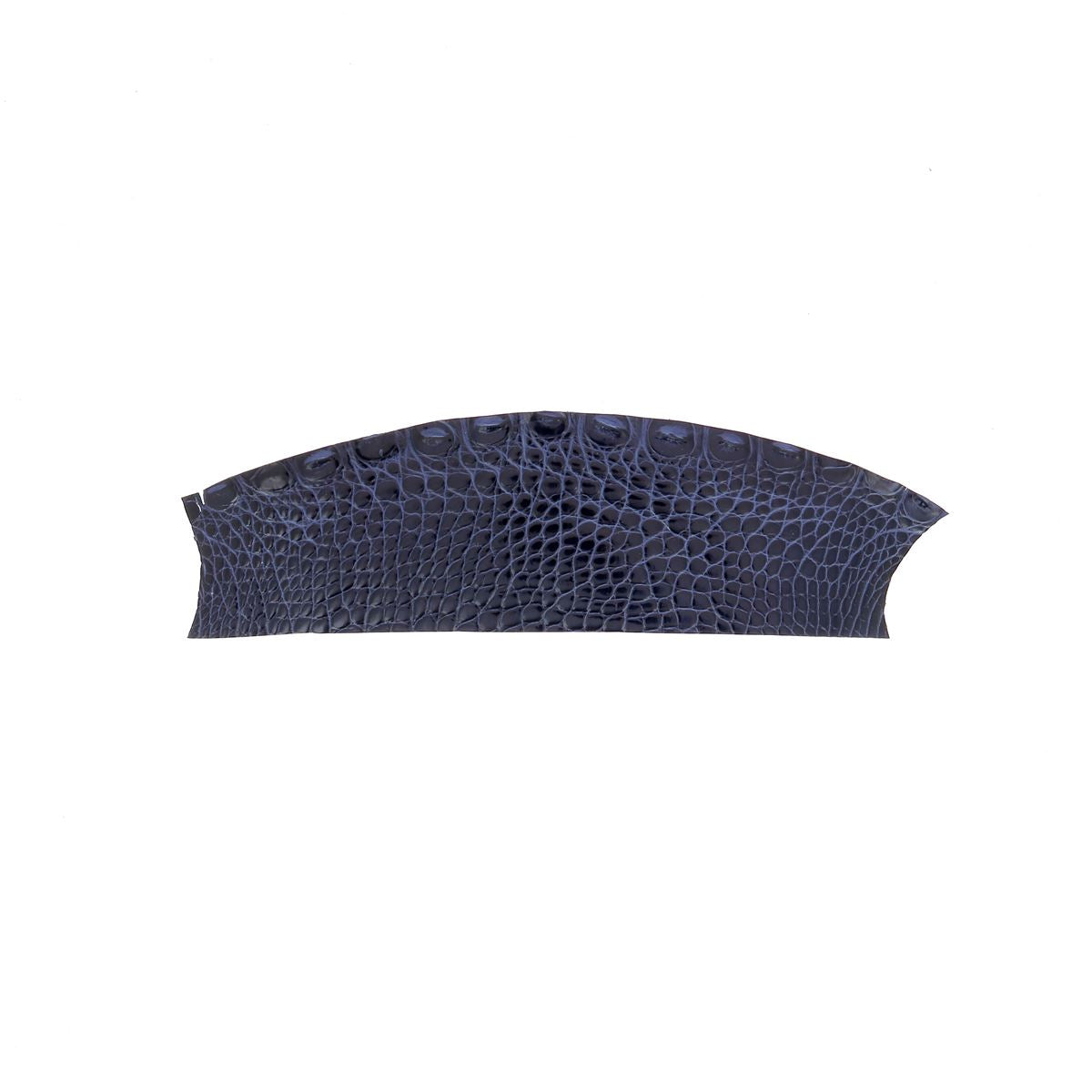
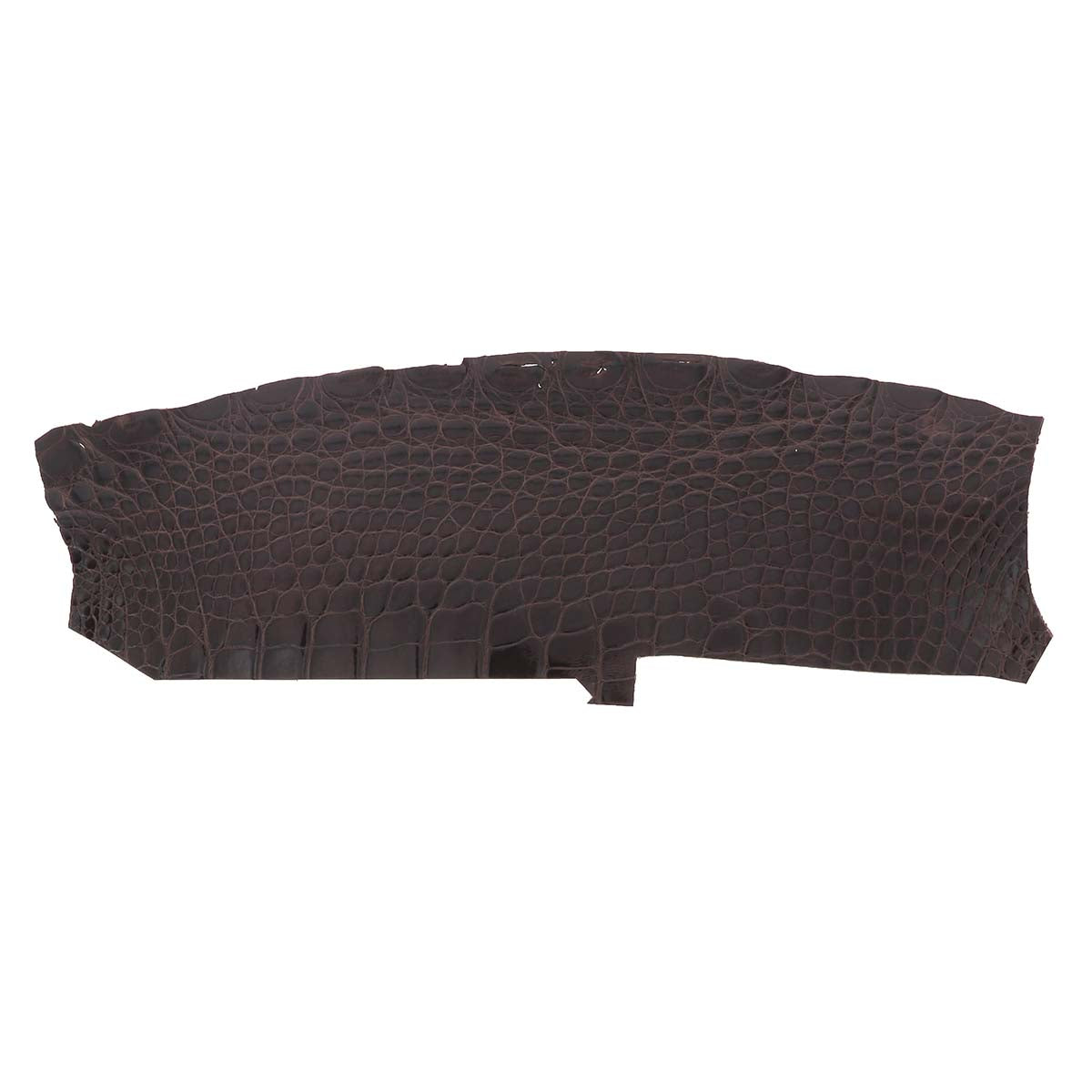
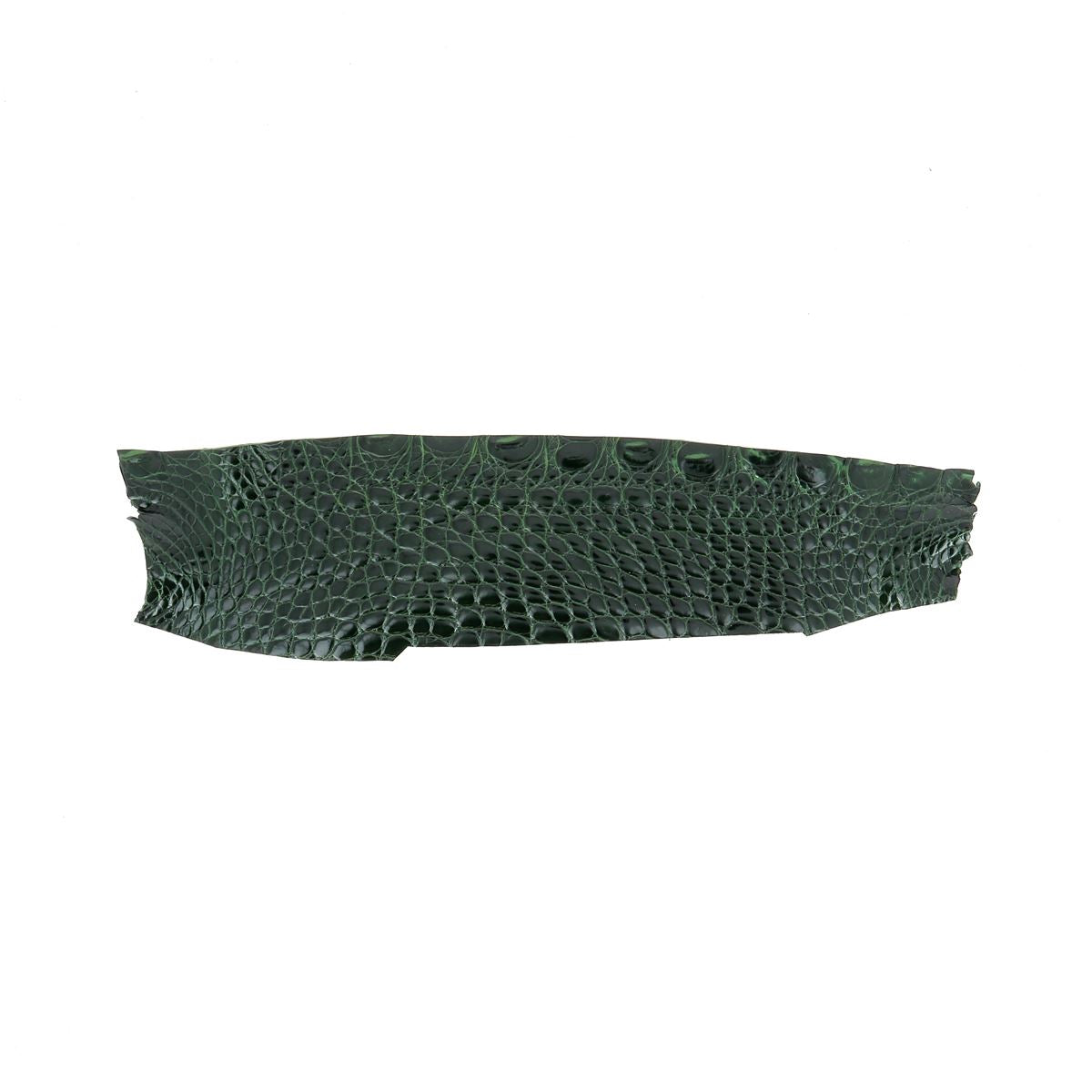
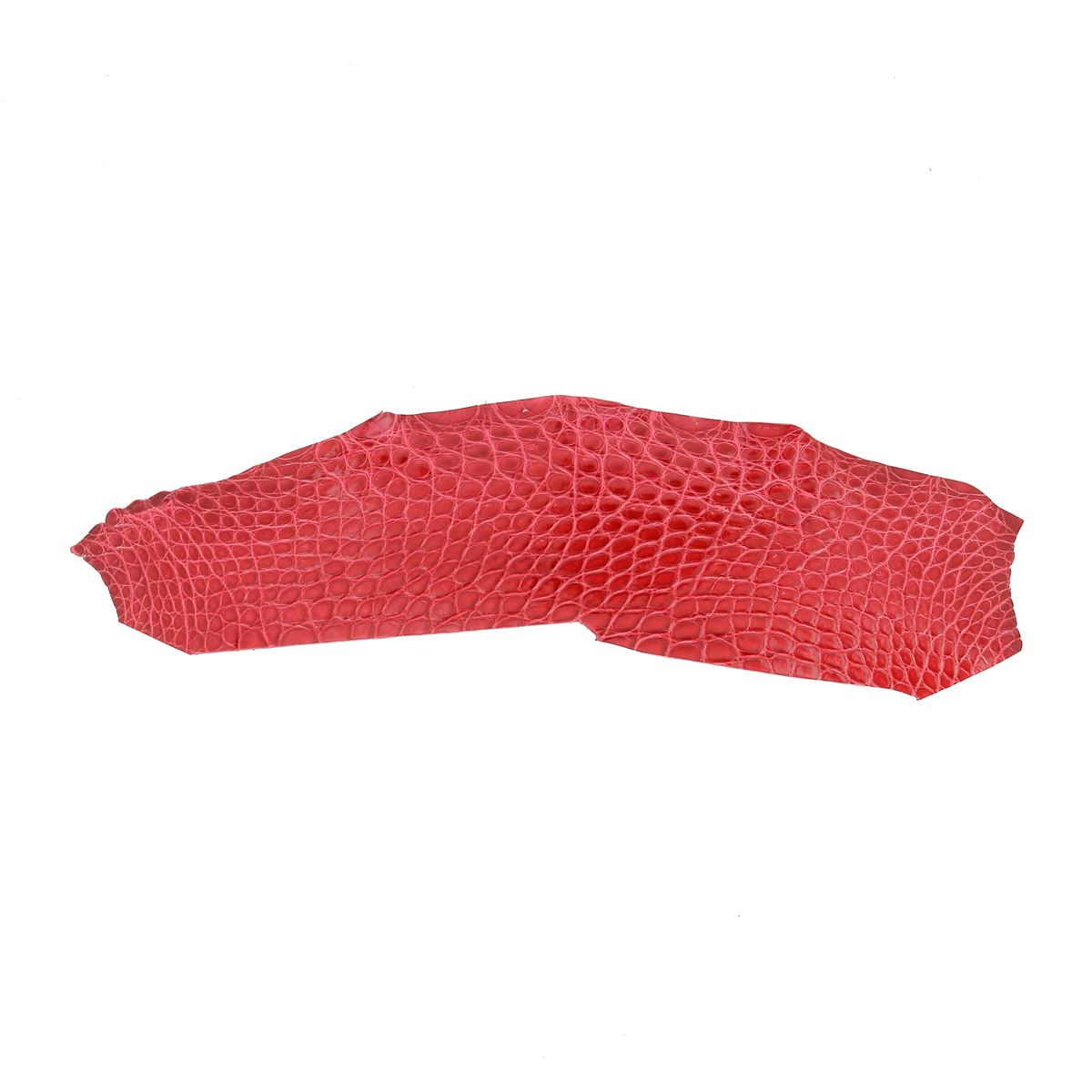
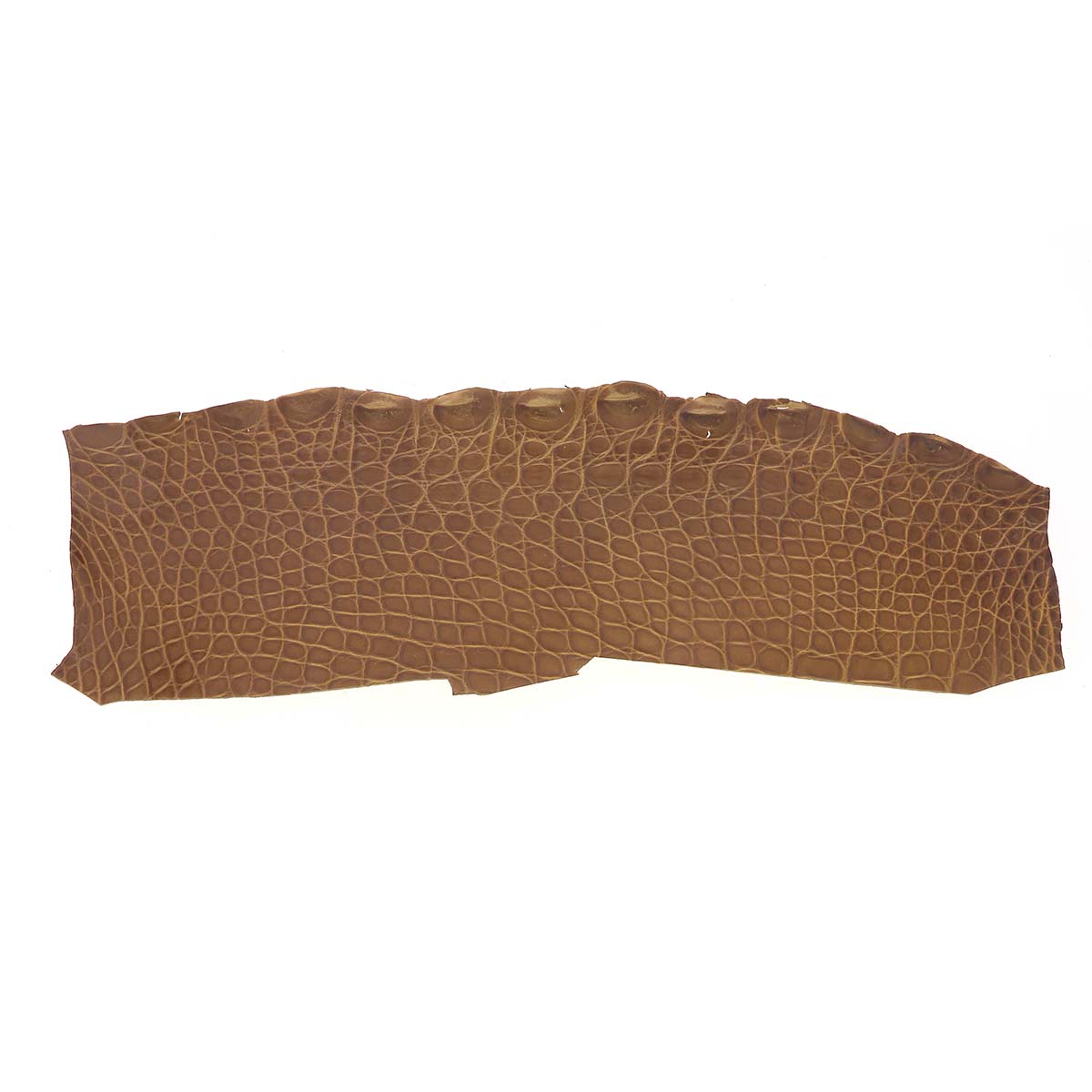
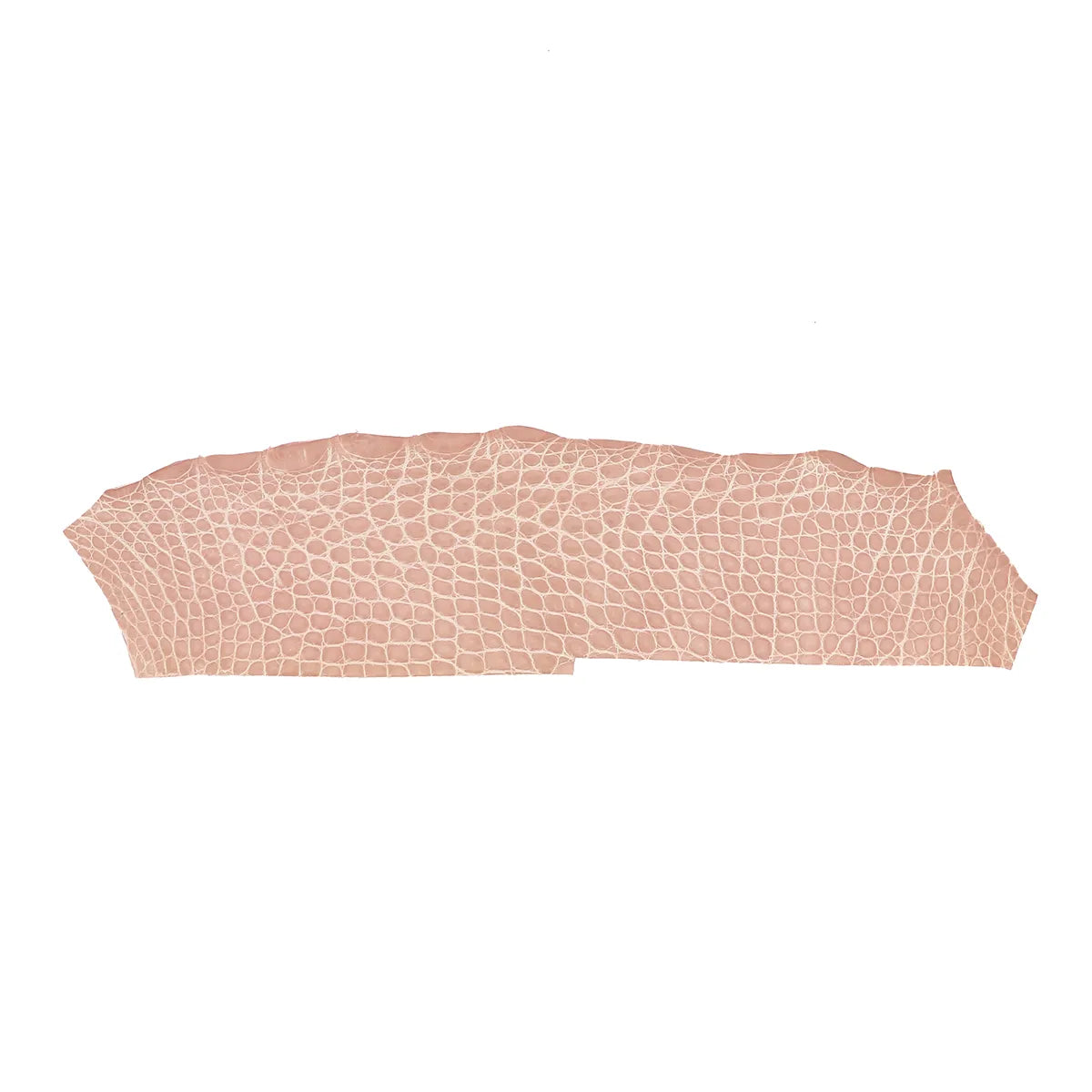
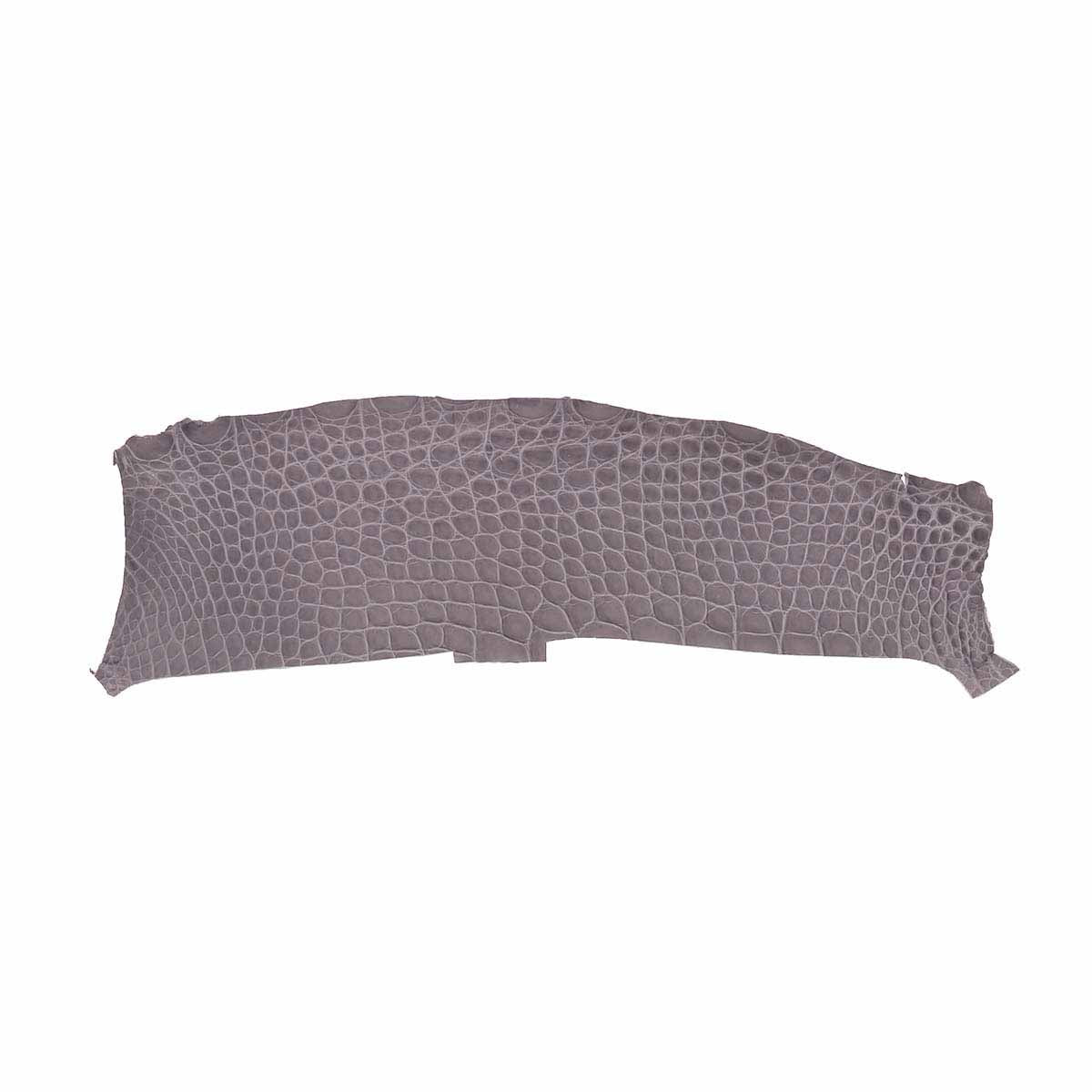
Dive into the world of high-end leather goods with exceptional materials. High-quality exotic genuine leather is indeed ideal for creating luxurious handcrafted products.
Thanks to our rich and varied catalog, you can acquire an exotic leather hide by following your inspiration, from the raw elegance of alligator to the delicate snake skin.
Indulge yourself knowing that you are making an ethical purchase, as we guarantee exemplary traceability and strict adherence to international standards for our entire range of exotic leathers (CITES).
Classic Leather or Exotic Leather: What Are the Differences?
Classic leather refers to leather from farmed animals such as cowhide, calfskin, goatskin, or sheepskin. Exotic leather, on the other hand, comes from common non-domestic species, wild or from specialized farms (reptiles, fish, birds, amphibians).
One of the great advantages of exotic leather is that you get access to irreproducible natural textures such as scales, feather follicles, or pearl grain. This allows you to achieve a luxurious aesthetic.
Furthermore, exotic leathers are also subject to very strict regulations via the Washington Convention. Thus, CITES (Convention on International Trade in Endangered Species of Wild Fauna and Flora) guarantees exemplary traceability, compliance with quotas, as well as customs import certificates to protect species.
Our Varieties and Types of Exotic Leathers
To support you in all your creative projects, we offer exotic leathers from large animal families such as reptiles (alligator, crocodile, snake, lizard), fish (salmon, shark), birds (ostrich), but also amphibians and other animals (toad, beaver tail).
You can opt for full-grain leather, which means the original intact surface for optimal resistance. If you want to test the material, Deco Cuir also sells leather scraps, perfectly suited for small creations.
The type of tanning refers to mineral tanning (great flexibility, good resistance) or vegetable tanning (environmentally friendly, develops a patina over time).
How to Choose Your Exotic Leather?
When choosing your exotic leather, it is necessary to consider certain elements to select the one that best suits your needs:
Thickness: choose a very thin thickness (0.2 to 0.8 mm) for sheathing, lining, or fine jewelry. Opt for thicker leather (0.8 to 1.3 mm) for small leather goods, watch straps, or belts.
Length or surface: snake skin, in particular, can range from 80 to 160 cm. The important thing is to consider the usable width in the center of the skin to place your patterns.
Finish: a glossy finish highlights the natural relief, while a satin finish has a rawer, more contemporary look. A metallic or gradient finish is recommended for more originality.
Flexibility: choose firm or semi-firm exotic leather for cuffs or wallets. Opt for supple or very supple leather for clothing, pouches, or box sheathing.
What to Make with Exotic Leather?
Exotic leather is the ideal ally for your creations. It allows you to create luxury small leather goods (cardholders, wallets, or money clips), jewelry (cuffs, earrings, brooches), as well as inlay or embellishments.
Essential Tools for Working with Exotic Leather
To exploit the potential of our high-quality leathers, it is necessary to have the right equipment. Thus, perfectly sharpened paring knives or creasers are essential. Also plan for glues or adhesives if you want to work with thin skins like snake or salmon.
Caring for Exotic Leathers
You probably want to keep your exotic leathers as long as possible. To do this, clean them with a soft, dry or very slightly damp cloth. If it's reptile leather, be careful to always rub in the direction of the scales so as not to lift or break them.
In addition, nourish the leather using products suitable for exotic leather and absolutely avoid classic polishes that risk clogging the relief and dulling the colors.
Also avoid exposing your leathers to water or direct heat sources to preserve them.